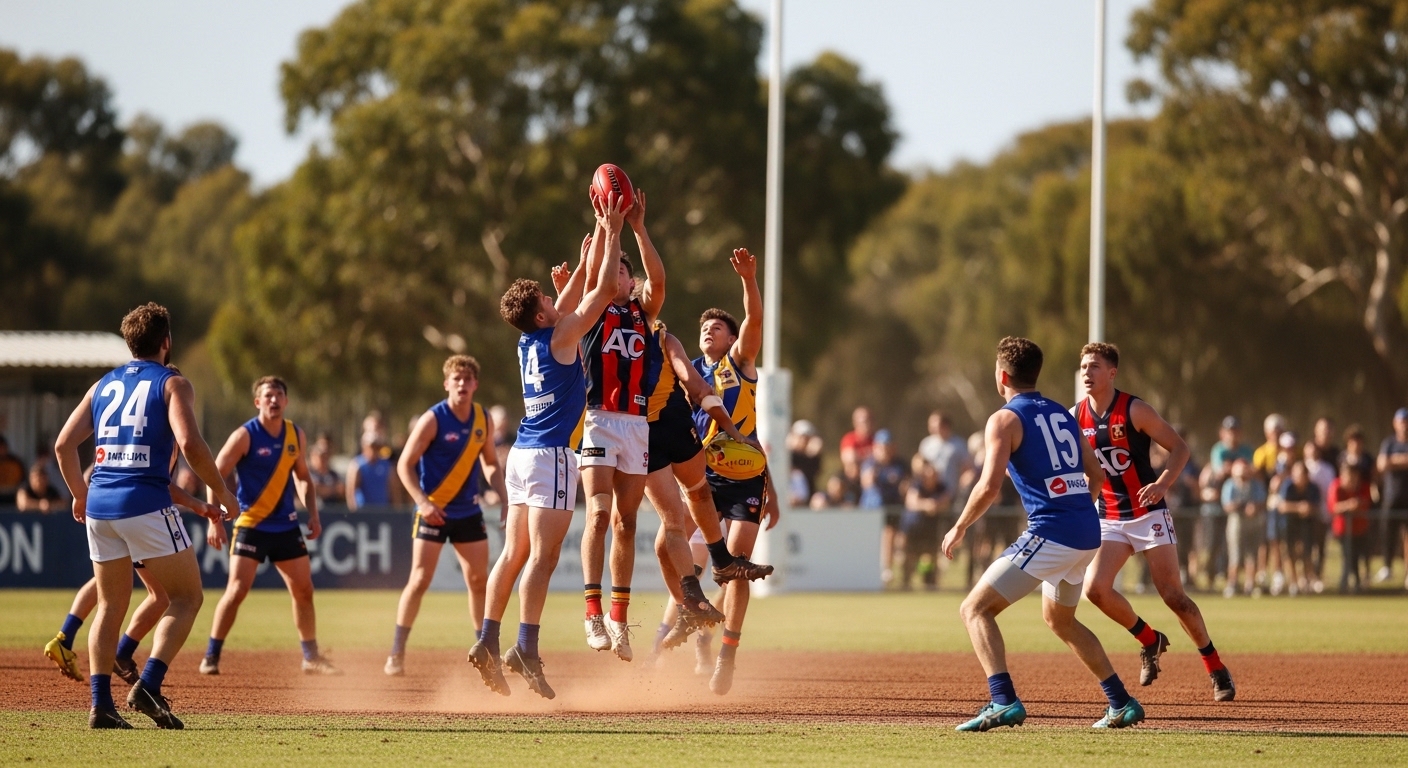
On the Tiwi Islands, football is more than a game—it's a way of life. The upcoming Tiwi Islands Football League Grand Final promises to be the biggest sporting event in the islands' calendar, bringing together thousands of passionate fans for a day of elite football and community celebration.
The grand final, to be held at Wurrumiyanga Oval on Bathurst Island on March 21, will see the two best teams from the 2025-2026 season battle for premiership glory. But the game itself is just part of the story—the day is a celebration of Tiwi culture, community, and the unique football tradition that has produced some of Australia's greatest players.
"Football is in our blood. From the moment we can walk, we're kicking a ball. The grand final is our biggest day—it brings everyone together, young and old, to celebrate what makes us Tiwi."
A Football Obsession
The Tiwi Islands have produced an extraordinary number of AFL players relative to their small population. With just over 2,000 residents, the islands have contributed dozens of players to the national competition, including stars like Cyril Rioli, Willie Rioli, and Anthony McDonald-Tipungwuti.
Football was introduced to the islands by Catholic missionaries in the 1940s, and it quickly took hold. The Tiwi style of play is distinctive—fast, skillful, and creative, with an emphasis on one-touch football and spectacular marking. Tiwi players are known for their natural athleticism and intuitive understanding of the game.
The Tiwi Islands Football League (TIFL) has been running since 1969 and is one of the oldest continuous football competitions in the Northern Territory. The league features teams representing different communities across the islands, with fierce but friendly rivalries that span generations.
Grand Final Details
Date: Saturday, March 21, 2026
Venue: Wurrumiyanga Oval, Bathurst Island
First Bounce: 3:00 PM
Gates Open: 11:00 AM
Entry: Free
Transport: Ferry and flight services from Darwin
The Grand Final Experience
The Tiwi grand final is unlike any other football event in Australia. The day begins with community activities, including children's games, market stalls, and cultural performances. By midday, the oval is packed with spectators, many of whom have traveled from across the islands to be part of the occasion.
The atmosphere is electric. The crowd creates a constant roar of support, with traditional Tiwi songs and chants mixing with modern football cheers. The passion is palpable—football matters deeply here, and the grand final represents the pinnacle of the sporting year.
Pre-Game Ceremonies
Before the first bounce, the crowd is treated to traditional Tiwi dance and song. The teams enter the ground through a guard of honor formed by community elders, acknowledging the deep connection between football and Tiwi culture. A smoking ceremony purifies the ground and brings good fortune to the players.
The Game
The football itself is played at a high standard. Many TIFL players have experience in mainland competitions, and the intensity rivals any suburban league in Australia. The fast, skillful Tiwi style produces an exciting brand of football that keeps spectators on the edge of their seats.
Post-Game Celebrations
Win or lose, the grand final is followed by community celebrations that continue long into the night. Music, dancing, and feasting bring everyone together to mark the end of another season. The premiership cup is paraded through the community, and the winning team is celebrated as heroes.
The Teams
The 2026 grand final will feature the top two teams from a hard-fought season:
Tiwi Bombers: The dominant force of recent years, the Bombers have a roster packed with talent. Their fast, attacking style has overwhelmed opponents throughout the season. Key players include small forward dynamo Jason Tipungwuti and ruckman David Munkara.
Imalu Tigers: The Tigers have been the surprise package of the season, rising from mid-table obscurity to challenge for the flag. Their disciplined team defense and strong midfield have been the foundation of their success. Captain Mark Rioli leads by example with his tireless work rate.
More Than a Game
Football plays a vital social role in the Tiwi Islands. It provides structure and purpose for young men, creates employment opportunities, and brings the community together. The football season is a focal point of island life, with games drawing crowds every weekend.
The sport has also been a pathway to the mainland for many Tiwi people. AFL careers have provided economic opportunities and brought Tiwi culture to a national audience. Players who return to the islands after their AFL careers often take on coaching and mentoring roles, passing on their knowledge to the next generation.
"Football has given us so much," says Tanimi Regional Council Chairperson Anne-Marie Martin. "It's not just about the players who make it to the AFL—it's about what the game does for our community every week of the year."
Visiting for the Grand Final
The Tiwi grand final has become a bucket-list event for football fans and cultural tourists. Visitors are welcome, but should be aware that facilities on the islands are limited. The Tanimi Regional Council works to ensure visitors can enjoy the experience while respecting local culture.
Visitor Information
Getting There: Ferry from Darwin (book well in advance)
Permits: Required for all visitors—contact Council
Accommodation: Very limited—most visitors day-trip
What to Bring: Hat, sunscreen, water, cash for food stalls
Photography: Ask permission before photographing people
Alcohol: Strictly prohibited on the islands
Pathways to Success
The Tiwi Islands have produced an extraordinary roll call of AFL talent. The TIFL serves as a development pathway, with scouts from mainland clubs regularly attending games. The Tiwi Islands Football Club, known as the Tiwi Bombers, also competes in the Northern Territory Football League, providing a higher level of competition.
Development programs funded by the AFL and local organizations work to identify and nurture young talent. These programs combine football training with education and life skills, ensuring that young Tiwi people are prepared for opportunities both on and off the field.